How to Safeguard Carpets from Water Damage
Water damage can significantly impact the appearance and longevity of carpets. Understanding how to protect your carpets from moisture is essential for their preservation. This article will explore effective strategies and methods that can help you mitigate the risks associated with water damage.
Understanding Water Damage
Water damage typically occurs due to leaks, spills, or flooding. According to the Institute of Inspection, Cleaning and Restoration Certification (IICRC), carpets absorb moisture quickly, which can lead to mold growth, unpleasant odors, and structural damage. Experts recommend that prompt action is necessary to minimize these issues, as delays can exacerbate the damage.
"Addressing water damage within the first 24 to 48 hours is crucial to prevent significant long-term problems." – IICRC
Preventive Measures
Implementing preventive measures can significantly reduce the risk of water damage to your carpets. Here are some practical strategies:
- Regular Maintenance: Regular cleaning and maintenance can help identify potential issues before they escalate. Many users report that professional carpet cleaning every 6 to 12 months helps maintain carpet integrity and appearance.
- Use of Moisture Barriers: Installing moisture barriers, especially in basements or areas prone to flooding, can be effective. Research indicates that these barriers can significantly reduce moisture absorption by providing a protective layer.
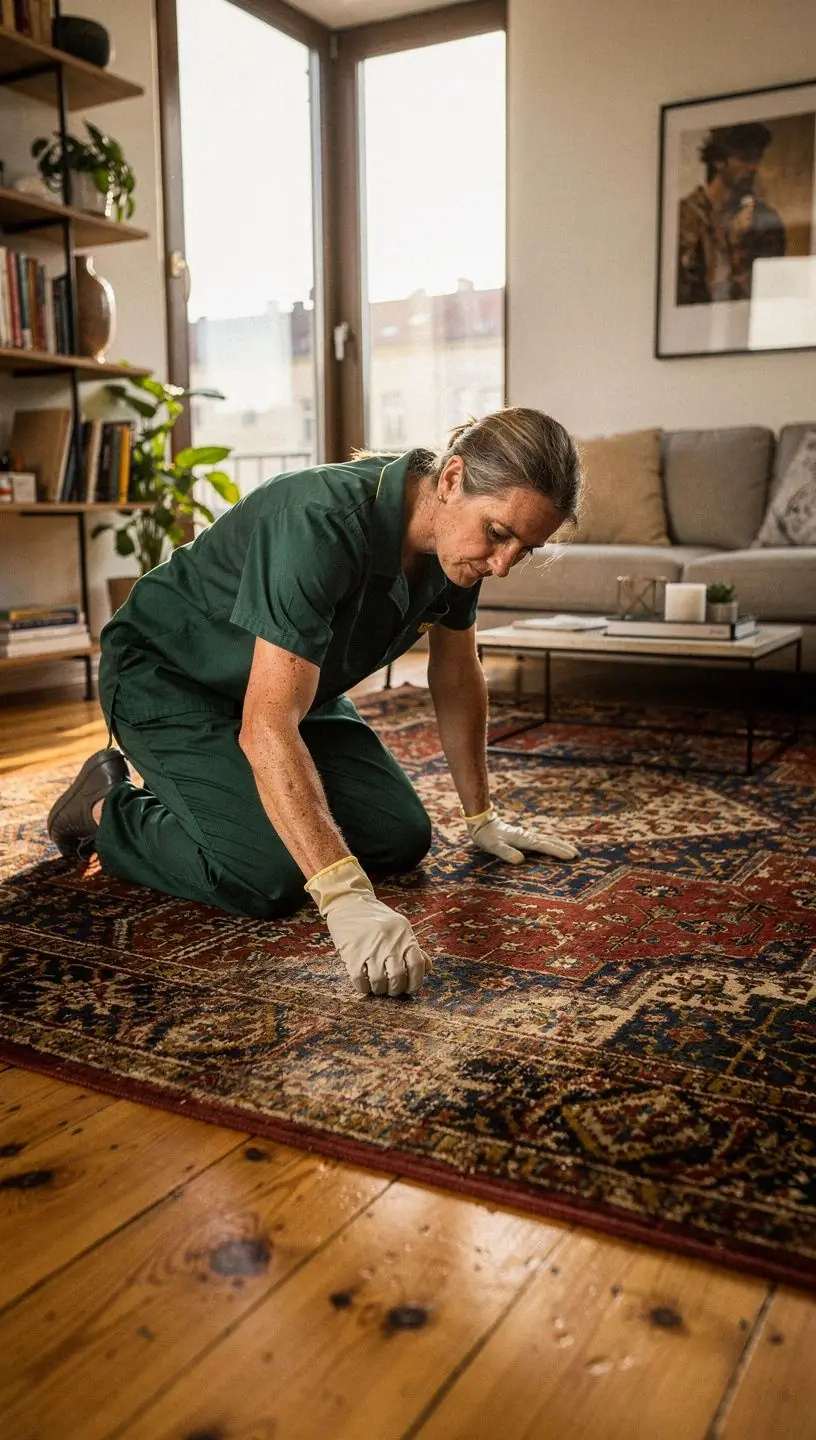
- Immediate Response to Spills: When spills occur, it is crucial to address them swiftly. Experts recommend blotting (not rubbing) the area with a clean cloth and using appropriate cleaning solutions to prevent stains and odors.
Understanding the Role of Humidity
The humidity level in your home plays a significant role in carpet preservation. Maintaining indoor humidity between 30% and 50% can help reduce moisture accumulation in carpets. According to the Environmental Protection Agency (EPA), using dehumidifiers in high-moisture areas can be a practical approach to managing indoor humidity levels.
After Water Exposure
In the event of significant water exposure, such as flooding, it's crucial to act promptly:
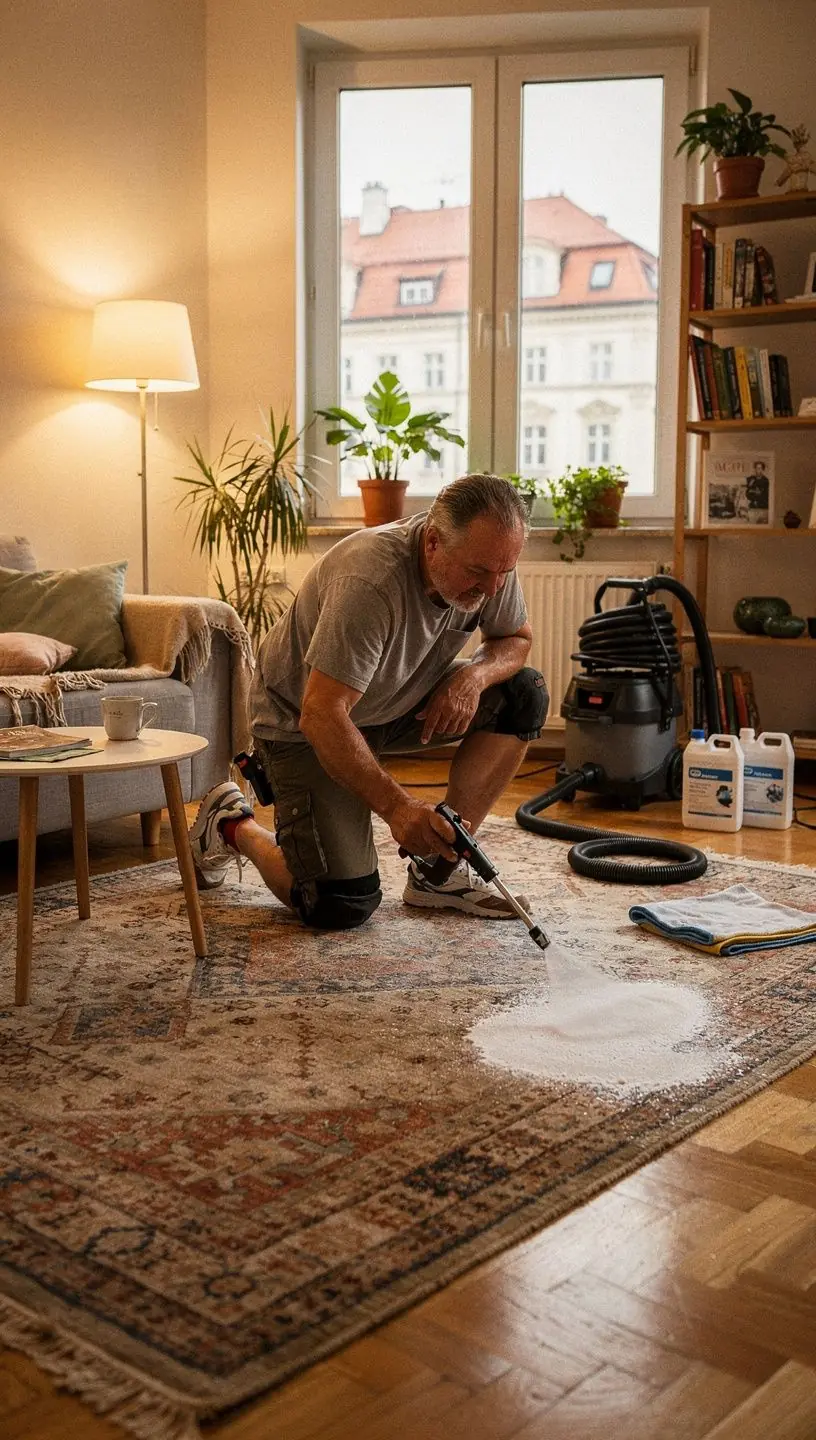
- Remove Water: Use pumps or wet vacuums to remove standing water. This step is essential, as stagnant water can lead to extensive carpet damage and mold growth.
- Dry the Area: Open windows and use fans to enhance airflow. Drying the area quickly, ideally within 24 hours, can help mitigate damage.
- Professional Assessment: In cases of severe water damage, it is advisable to contact a professional restoration service. They can provide specialized equipment and expertise for effective recovery.
Conclusion
Safeguarding your carpets from water damage requires a proactive approach and understanding of best practices. By implementing preventive measures, maintaining appropriate indoor humidity, and acting quickly in the face of spills or flooding, you can effectively prolong the life and appearance of your carpets. Remember, taking prompt and informed actions can often make a significant difference in preserving your carpets for the long term.
Learn More