Understanding the Process of Carpet Dyeing
Carpet dyeing is a specialized process that can restore the color and vibrancy of your carpets. In this article, we will explore how carpet dyeing works, the methodology behind it, and what you can realistically expect from the process.
Understanding the Basics of Carpet Dyeing
Carpet dyeing typically involves a process of color restoration that uses advanced dyeing techniques. According to industry experts, this method can effectively cover stains, fade, and discoloration, prolonging the life of your carpet. The process mainly relies on using dyes that penetrate the fibers of the carpet to achieve an even and long-lasting color.
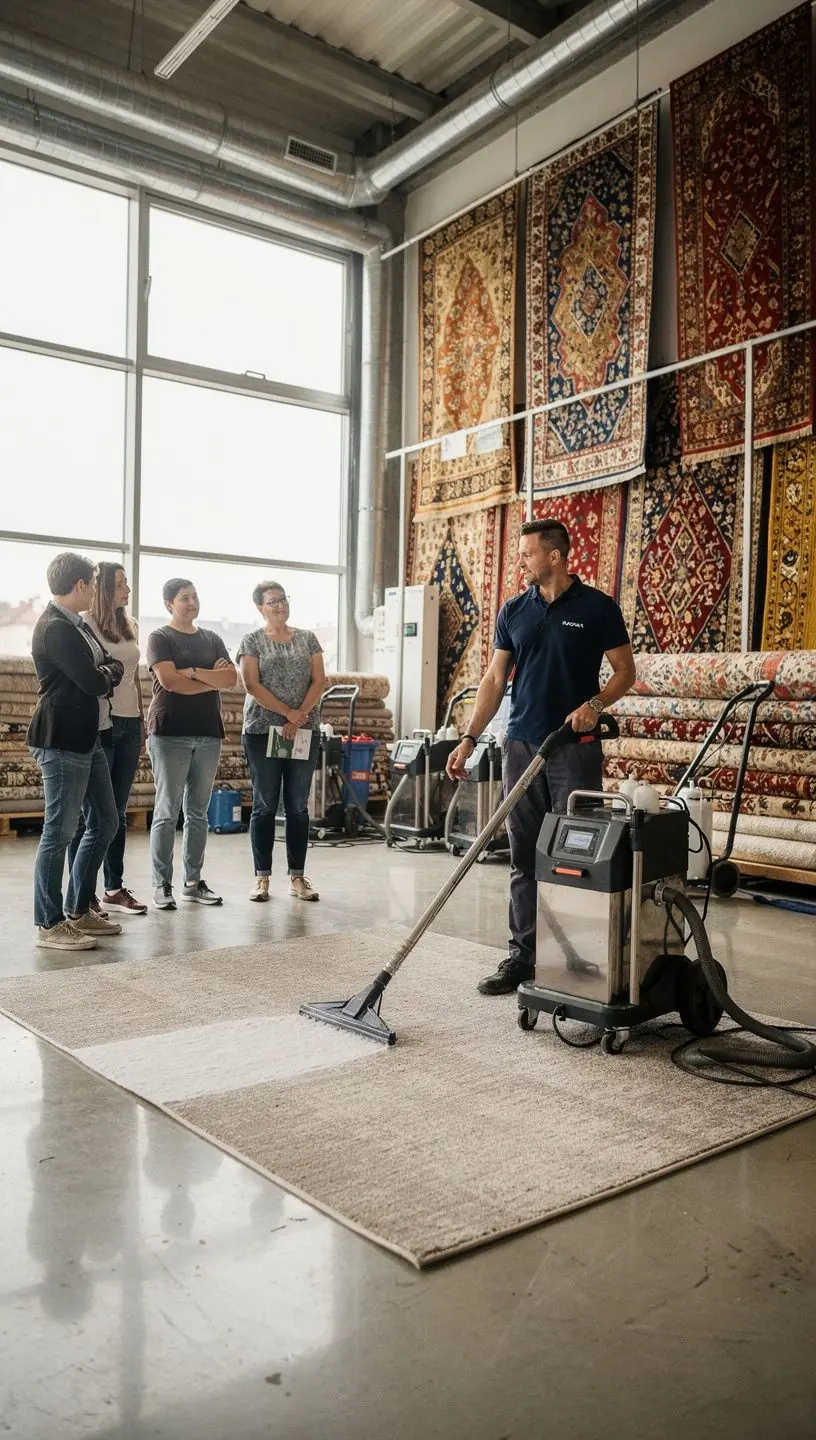
"Using professional dyes and methods is essential for achieving a uniform result that maintains the integrity of the carpet fibers."
The Carpet Dyeing Process
The carpet dyeing process generally follows these steps:
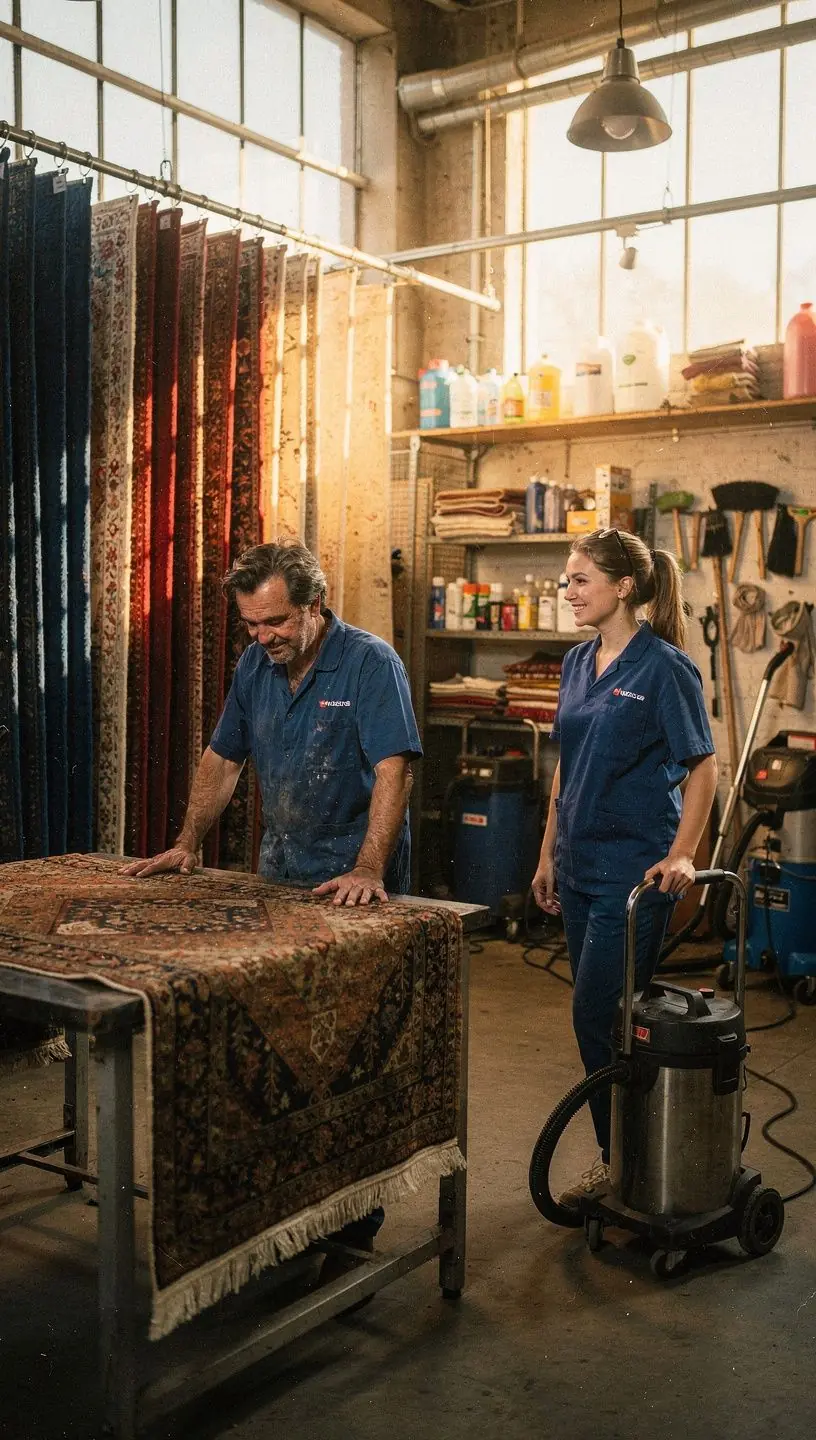
- Assessment: A professional will evaluate the carpet to determine the best dyeing method and color to use. This step is crucial as it helps in choosing appropriate solutions for your specific carpet type.
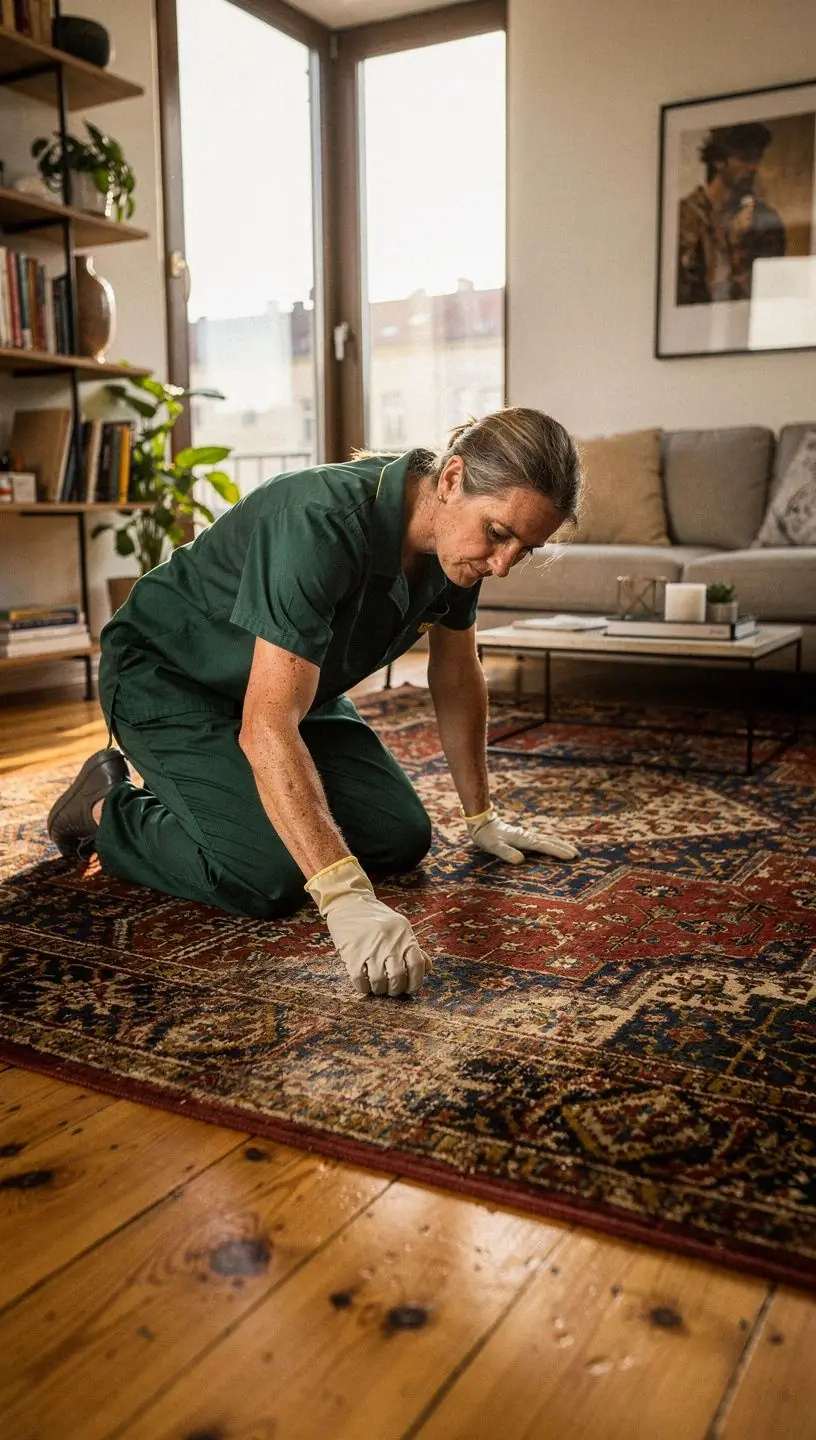
- Preparation: Before dyeing, the carpet is thoroughly cleaned to remove any dirt or stains that could interfere with the dye application. This usually involves vacuuming and deep cleaning.
- Dye Application: The dye is then applied using professional tools. This can involve spraying or hand-painting, depending on the level of customization required.
- Setting the Dye: After application, the dye needs to be set, usually through heat or steam, which helps the dye bond with the carpet fibers. This step is vital for ensuring the longevity of the color.
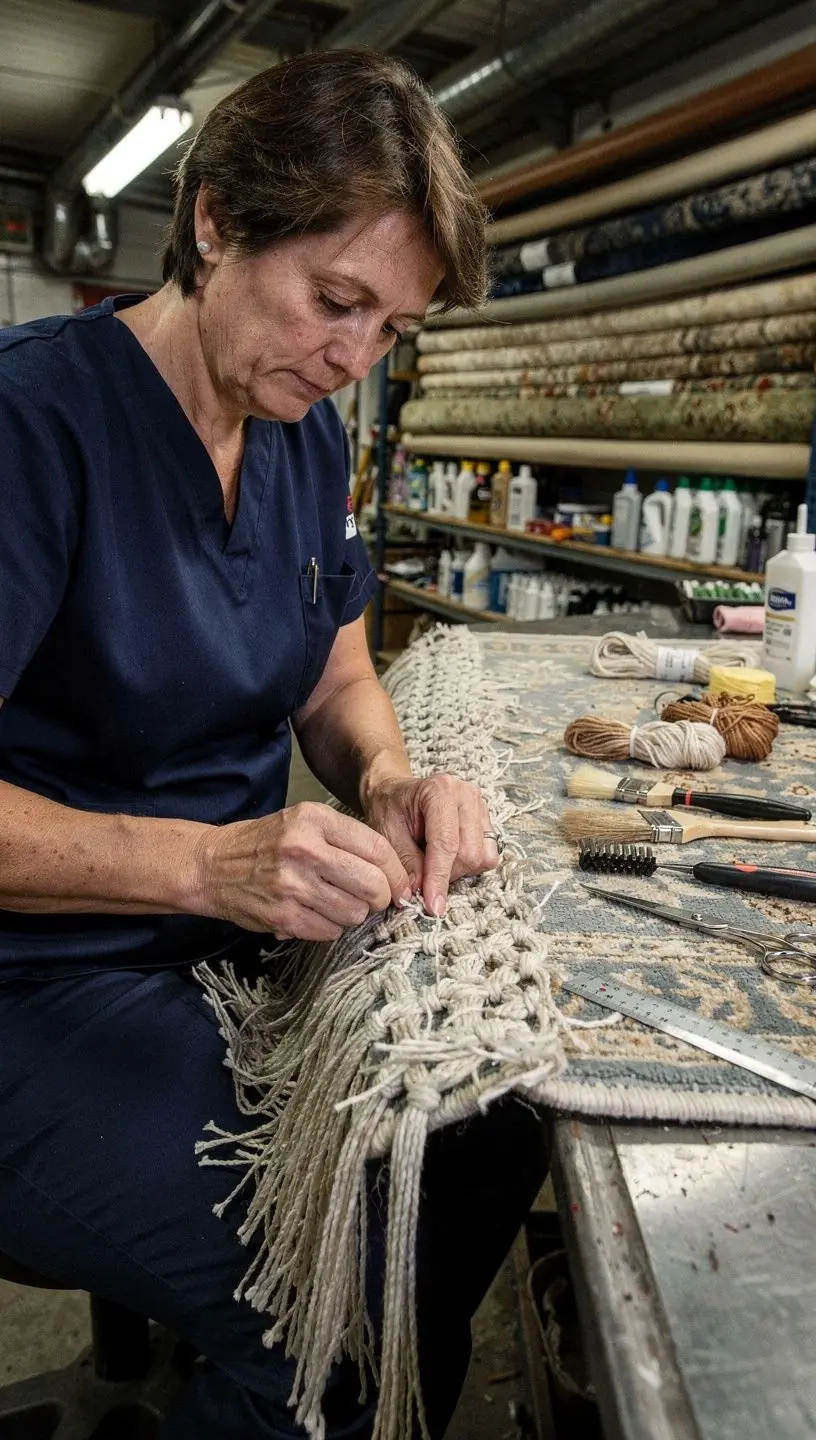
- Finishing Touches: Finally, the carpet is inspected for consistency and quality. Any touch-ups are made if necessary, ensuring an even appearance.
Factors to Consider
While carpet dyeing can be effective, there are several factors to consider before proceeding:
- Carpet Material: Not all materials respond the same way to dyeing. Natural fibers like wool typically absorb dye better than synthetic fibers.
- Color Selection: Choosing a color that closely matches the original can often yield the best results, as drastic changes may not be achievable.
- Time Commitment: The entire process may take several hours to a few days, depending on the carpet size and complexity of the dyeing job.
- Professional Assistance: Engaging professionals who specialize in carpet dyeing is recommended, as improper techniques can lead to uneven color or damage.
Conclusion
Carpet dyeing is a reliable method for restoring the appearance of your carpets and extending their lifespan. By understanding the process and considering the necessary factors, you can make an informed decision about whether this service is right for you. Remember to consult with professionals who can guide you through the options available, ensuring a satisfactory outcome.