The Science Behind Deep Carpet Cleaning
Deep carpet cleaning is more than just a routine chore; it’s a crucial part of maintaining a healthy indoor environment. This article delves into the scientific principles that make deep cleaning effective, offering insights into methodologies and expected results.
Understanding the Basics
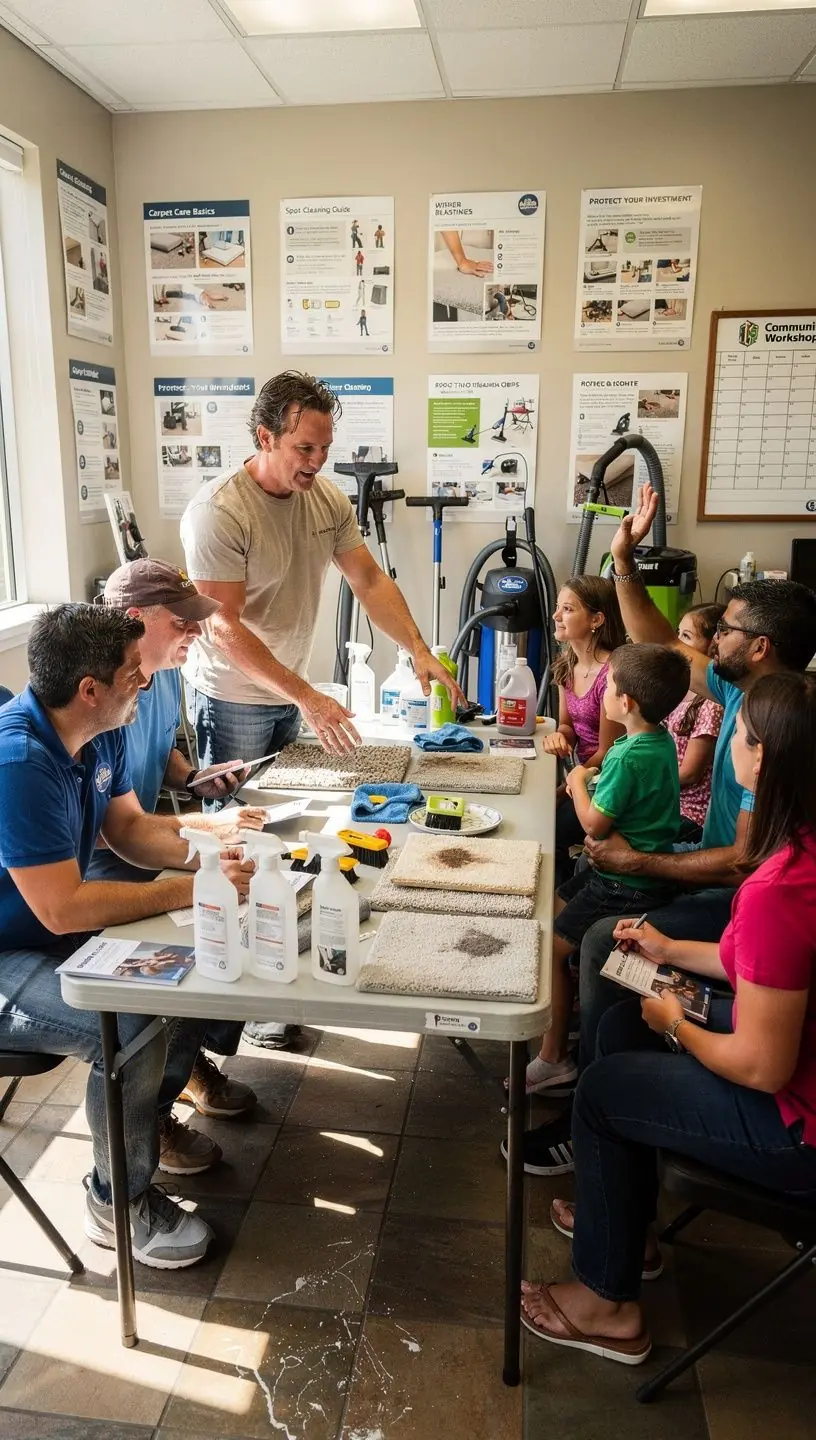
Deep carpet cleaning typically employs methods such as hot water extraction, dry cleaning, and steam cleaning. According to industry standards, these techniques can remove dirt, allergens, and bacteria more effectively than traditional vacuuming. For instance, research indicates that hot water extraction can remove up to 98% of allergens from carpets.

"Research shows that maintaining clean carpets can significantly reduce allergens in the home, creating a healthier living space."
How Deep Cleaning Works
The principle behind deep carpet cleaning lies in the combination of heat, pressure, and cleaning solutions. Here's a breakdown of the common methods:
- Hot Water Extraction: This method involves injecting hot water mixed with cleaning agents into the carpet fibers. The heat loosens dirt and grime, which is then extracted along with the water. Studies show that this approach can effectively eliminate deep-seated stains and allergens.
- Dry Cleaning: This approach uses specialized cleaning powders that adhere to dirt and are then vacuumed away. While it typically requires less drying time, it may not be as effective in removing deep stains compared to hot water extraction.
- Steam Cleaning: Similar to hot water extraction, steam cleaning utilizes steam to penetrate deep into carpet fibers. This method can enhance the efficiency of cleaning agents and improve overall results.
Benefits of Deep Cleaning
Regular deep cleaning of carpets is essential for several reasons:
- Allergen Reduction: Many users report a reduction in allergy symptoms when carpets are cleaned regularly. This is particularly important in homes with pets or children.
- Odor Elimination: Deep cleaning can effectively remove odors trapped in carpet fibers, leading to a fresher indoor environment.
- Extended Lifespan: Regular maintenance can help prevent the wear and tear of carpet fibers, thus extending the lifespan of your carpets.
Setting Realistic Expectations
While deep carpet cleaning offers numerous benefits, it’s important to set realistic expectations. The process typically takes several hours, and carpets may require up to 24 hours to dry completely, depending on the method used. Additionally, expert recommendations suggest that deep cleaning should be done every 12 to 18 months, though this can vary based on foot traffic and lifestyle.
Conclusion
In summary, deep carpet cleaning is an effective method for enhancing the cleanliness and longevity of your carpets. By understanding the scientific principles behind various cleaning methods and their benefits, you can make informed decisions that enhance your indoor environment. Remember, while deep cleaning is a valuable investment in your home’s hygiene, it requires time and appropriate techniques to achieve the best results.
Learn More